
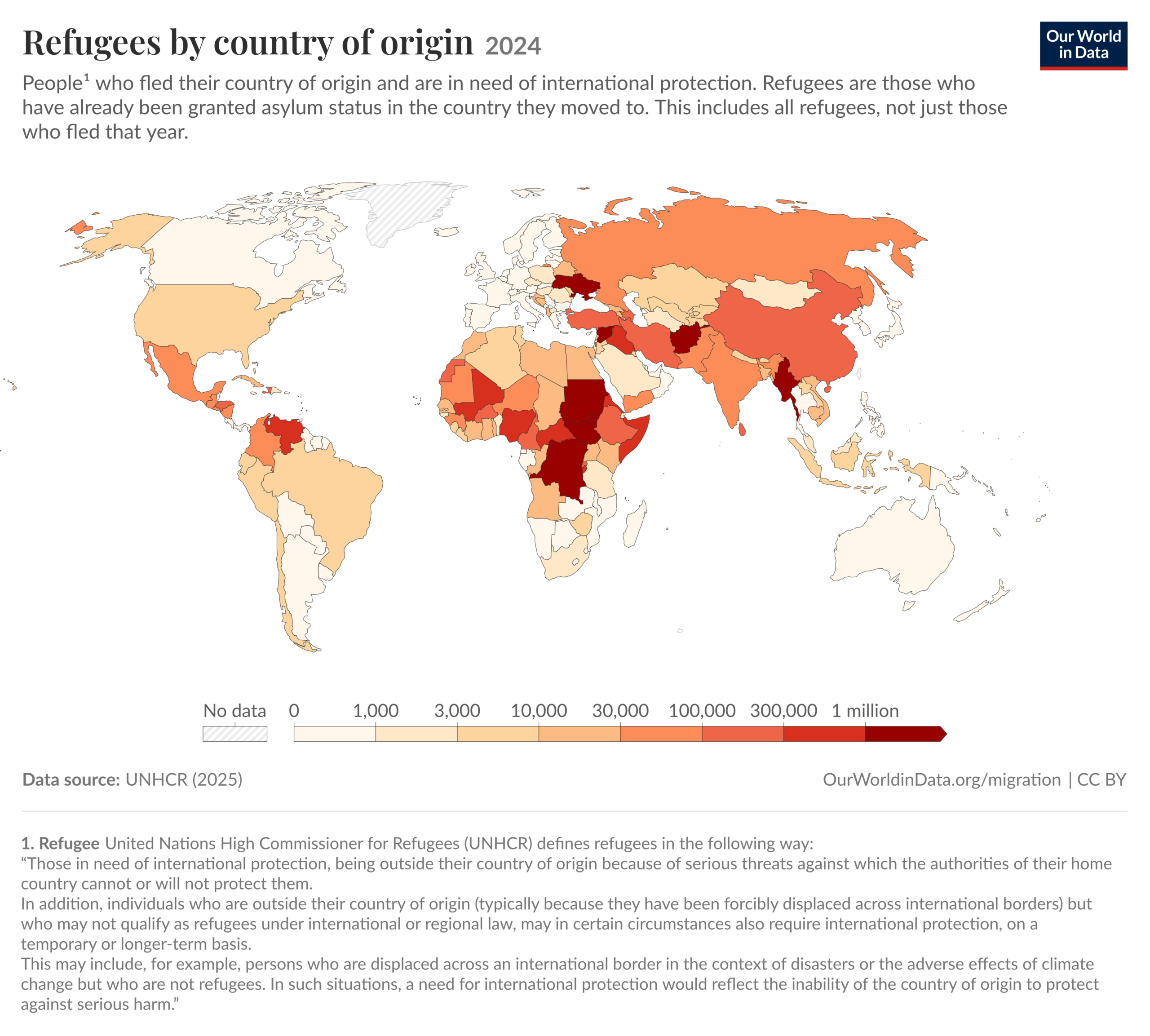
Populations are changing – in size, age structure, and through migration. While increasing life expectancy and declining birth rates are leading to ageing societies in many parts of the world, populations in other regions continue to grow rapidly. At the same time, migration is reshaping societies and their healthcare needs. These developments are closely linked to economic opportunities, education, labor markets, conflicts, climate change, and social inequality.

For global health, this raises a central question:

How can healthcare systems keep pace with populations that are becoming older, more diverse, and more mobile?

Our work in the field of Demographics & Migration is guided by six key questions.
How does demographic change affect our health?

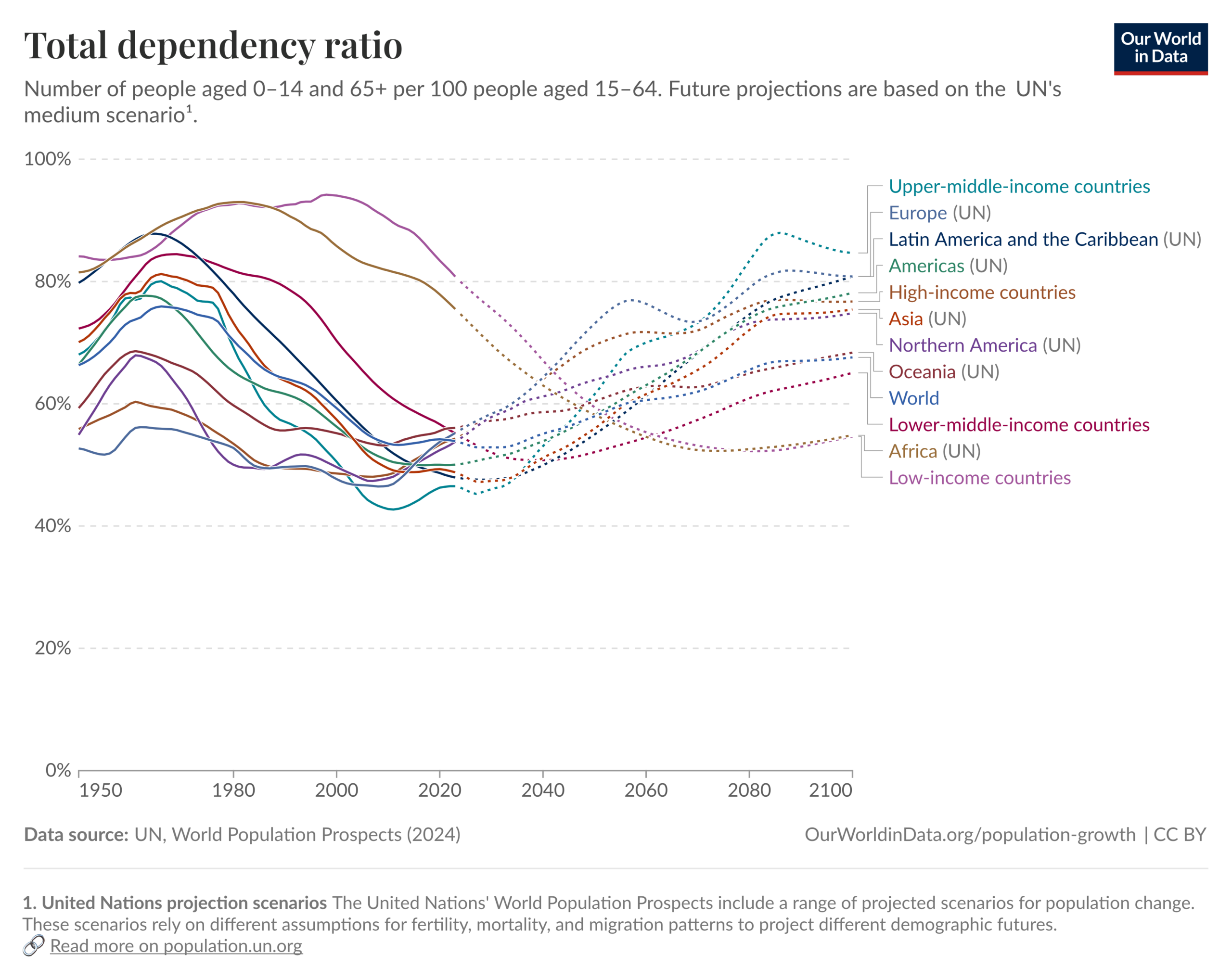
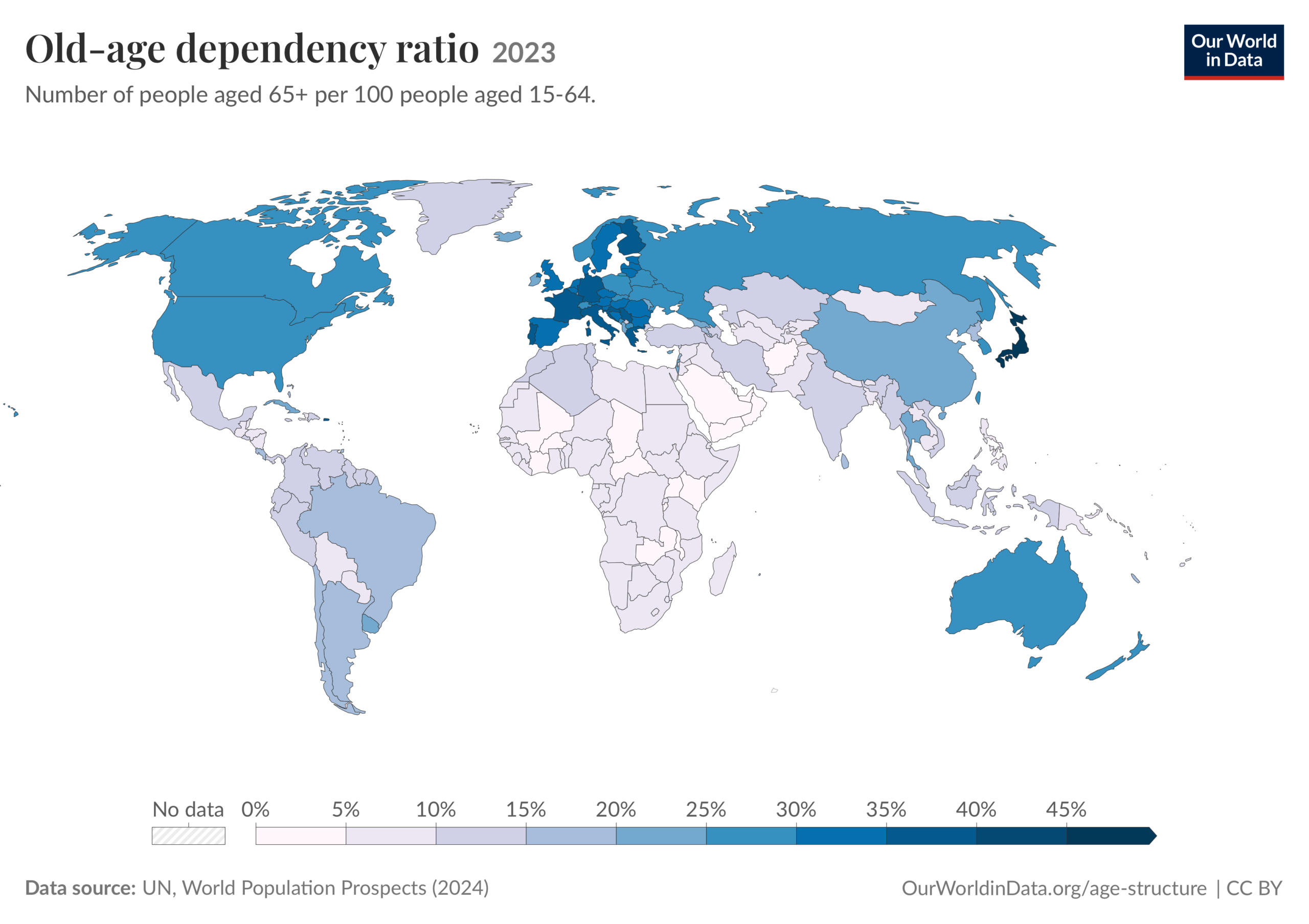
People are living longer, while birth rates are declining in many countries. As a result, the proportion of older people is increasing, particularly in many industrialized and emerging economies. As population age structures change, so do healthcare needs. Chronic diseases, multiple long-term conditions, and the need for long-term care are becoming increasingly important. Prevention, rehabilitation, and coordinated care throughout the life course are gaining significance.

However, demographic change varies considerably around the world. While some societies are ageing and shrinking, others have young and rapidly growing populations.

Healthcare systems must therefore adapt to very different demographic developments and population needs.

How can healthcare systems adapt to ageing and changing societies?

As people live longer, treating diseases alone is no longer enough. Healthcare systems must also focus on preserving health, independence, and quality of life for as long as possible. This requires better integration of prevention, medical care, rehabilitation, and long-term care. At the same time, the demand for qualified healthcare professionals is increasing.

The challenge is to plan healthcare services for the long term while taking into account the needs of all generations.

Yet ageing is not the only factor transforming societies – migration is also changing who needs healthcare and the circumstances in which care is required.

How do the conditions of migration affect health?

People migrate for many different reasons: for work, education, and family, but also because of conflict, persecution, economic insecurity, or environmental change.

Migration itself is not a health risk. What matters are the conditions before, during, and after migration: access to healthcare in the country of origin, conditions during the journey, residency status, housing, employment, social security, and access to healthcare in the destination country.

Global health therefore considers the entire migration process and asks: Which conditions protect health – and which put it at risk?


What do people fleeing their homes need to ensure reliable access to healthcare?

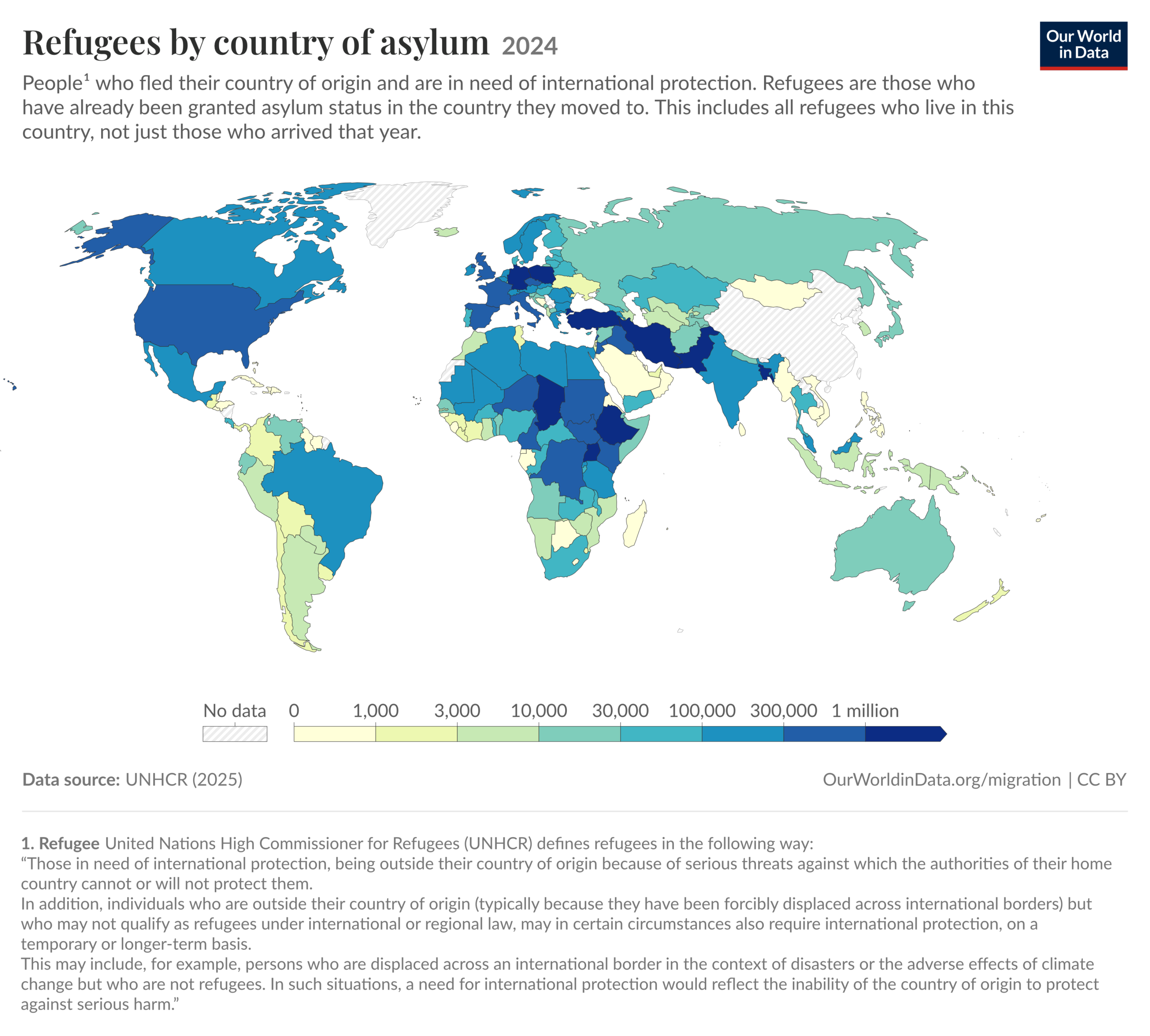
This challenge becomes particularly evident in situations of forced migration and displacement. Conflicts, violence, and disasters can disrupt ongoing treatments, prevent access to essential medicines, and cut people off from established healthcare systems. Beyond acute injuries and infectious diseases, chronic conditions, pregnancy, malnutrition, and mental health challenges also require continuous care.

Humanitarian assistance must therefore go beyond immediate emergency medical care. What matters is ensuring a transition to reliable, accessible, and sustainable healthcare services over the long term.

How can healthcare meet the needs of diverse and mobile societies?

Having a formal entitlement to healthcare does not necessarily mean that people can actually access and use it. Language barriers, a lack of information, administrative obstacles, discrimination, or uncertainty about residency status can make accessing care more difficult.

Healthcare systems therefore need clear and multilingual information, professional interpreting services, culturally sensitive care, and structures that foster trust.

Diversity is not an exception that healthcare services need to accommodate occasionally. It is a fundamental reality that modern healthcare systems must be designed to address.

How are migration, healthcare professionals, and global healthcare interconnected?

Healthcare professionals are also part of international migration. Doctors, nurses, and other healthcare workers are increasingly working outside their countries of origin. While destination countries can address workforce shortages through international recruitment, countries of origin may lose urgently needed healthcare professionals.

Demographic change is intensifying this challenge. Ageing societies require more healthcare and long-term care services, while many countries are already facing shortages of qualified professionals.

What begins as a national healthcare workforce issue therefore becomes a question of global responsibility. How can international mobility, fair recruitment practices, and strong healthcare systems worldwide be reconciled?

IGGB Recommends

Make healthcare systems resilient to demographic change.

Strengthen prevention and long-term care through forward-looking planning.

Ensure access to healthcare regardless of background or origin.

Remove language and cultural barriers.

Promote fair international migration of healthcare professionals.


Demographics and Migration