The economy and health are closely connected. Income, employment, working conditions and social protection all affect people’s lives and their chances of staying healthy. At the same time, good health and strong healthcare systems are important foundations for social and economic development.

In a global economy, these connections go far beyond national borders. Labour markets, supply chains, economic crises and new technologies can influence people’s health and their access to healthcare.

The key question is therefore not only whether economies grow, but also how this growth happens and who benefits from it.

Our work on the economy and labour is guided by six key questions.
How do income and social security affect our health?

Income affects many conditions that are important for a healthy life, such as housing, food, education, social participation and access to healthcare. Poverty and financial insecurity, by contrast, can increase health risks and place an additional burden on people’s health.

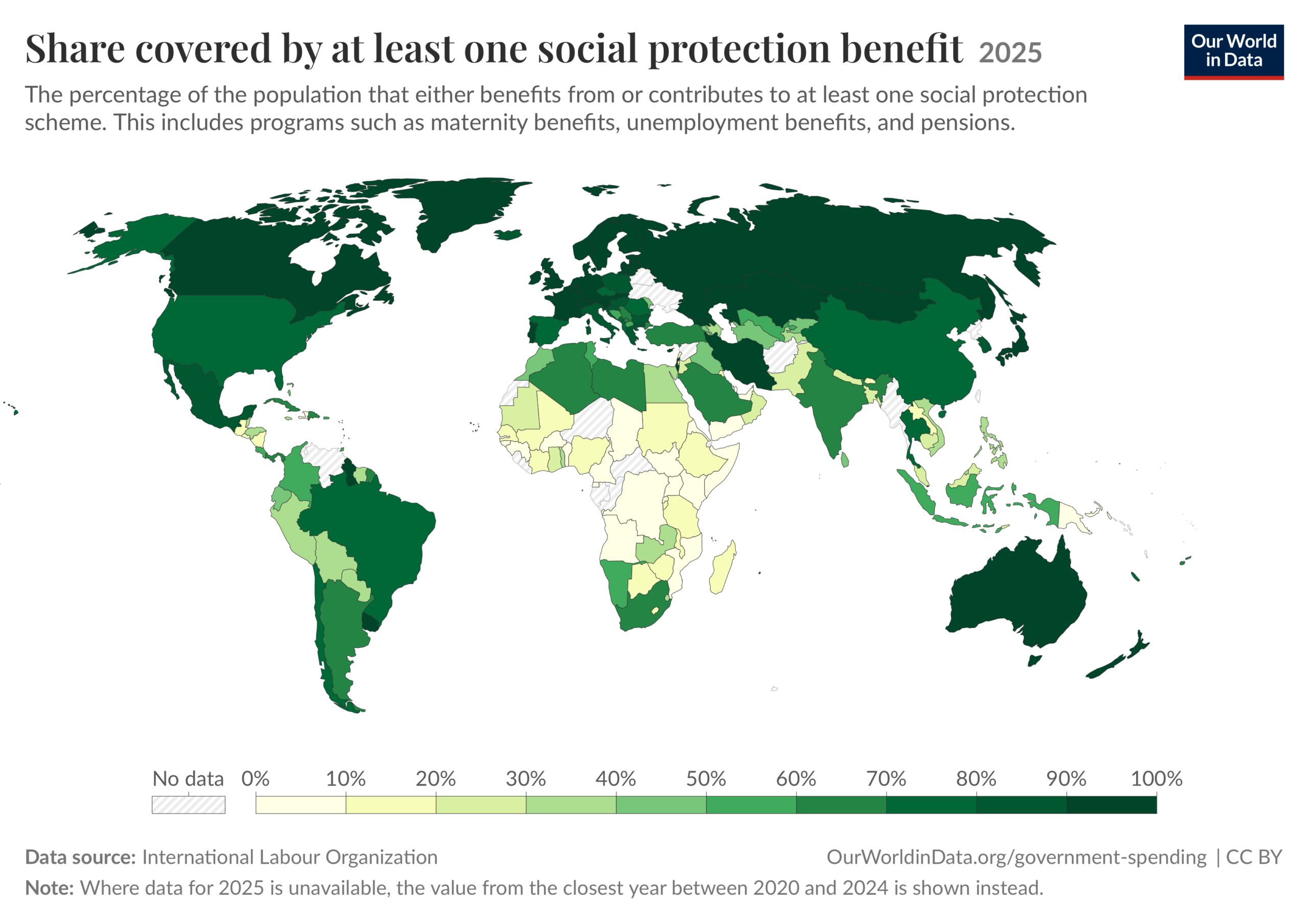
Social protection is just as important. Health insurance, unemployment benefits, pensions and other forms of support can help protect people from the health effects of economic crises and personal hardship.

Economic prosperity can therefore create better opportunities for health. But economic growth alone does not improve health for everyone. What matters is how prosperity is shared and how social protection is organised.


When does work support health – and when can it make us ill?

Work provides income, social contacts and opportunities to take part in society. It can give people a sense of purpose and support their personal development. But work can also harm health.

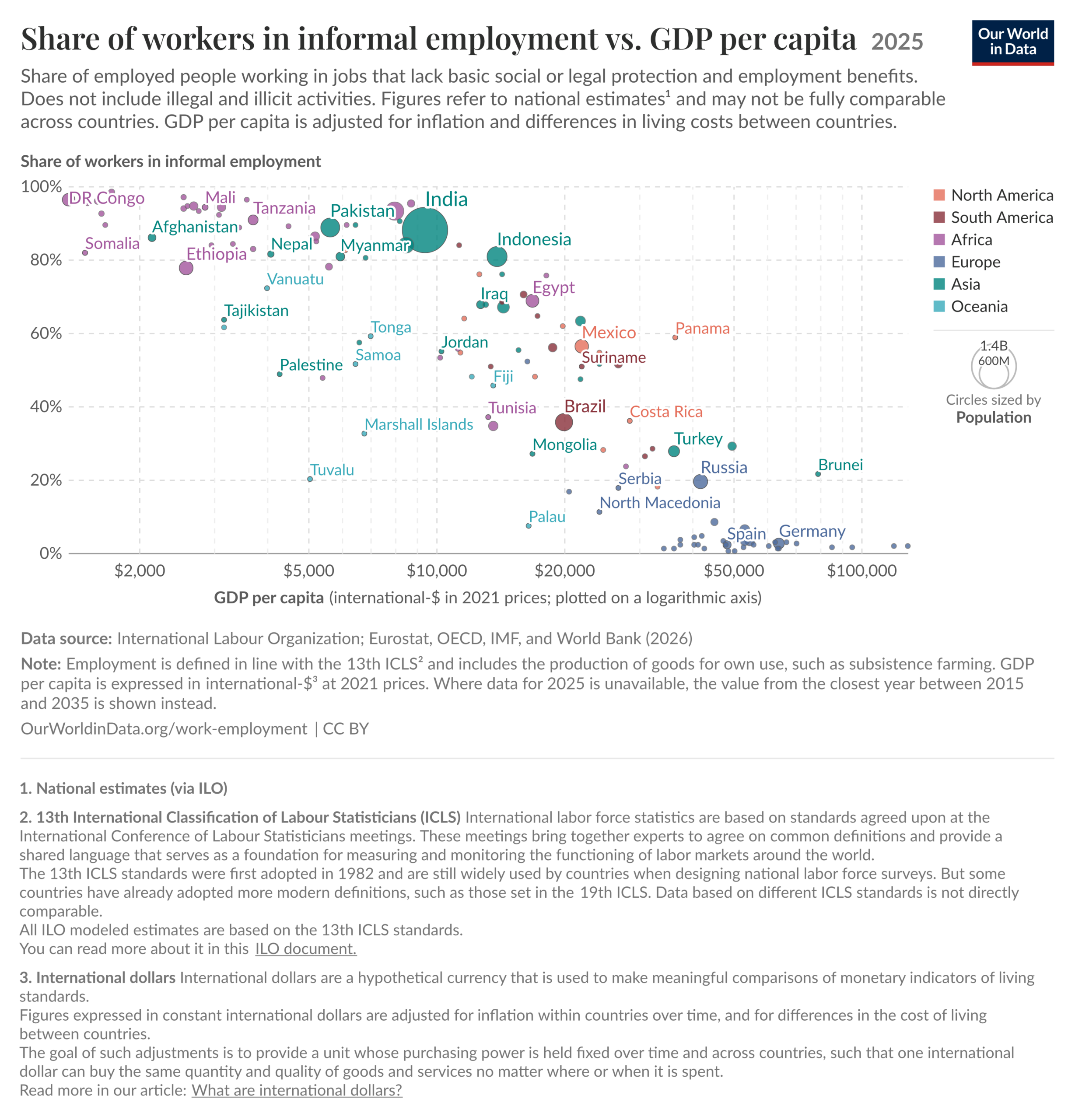
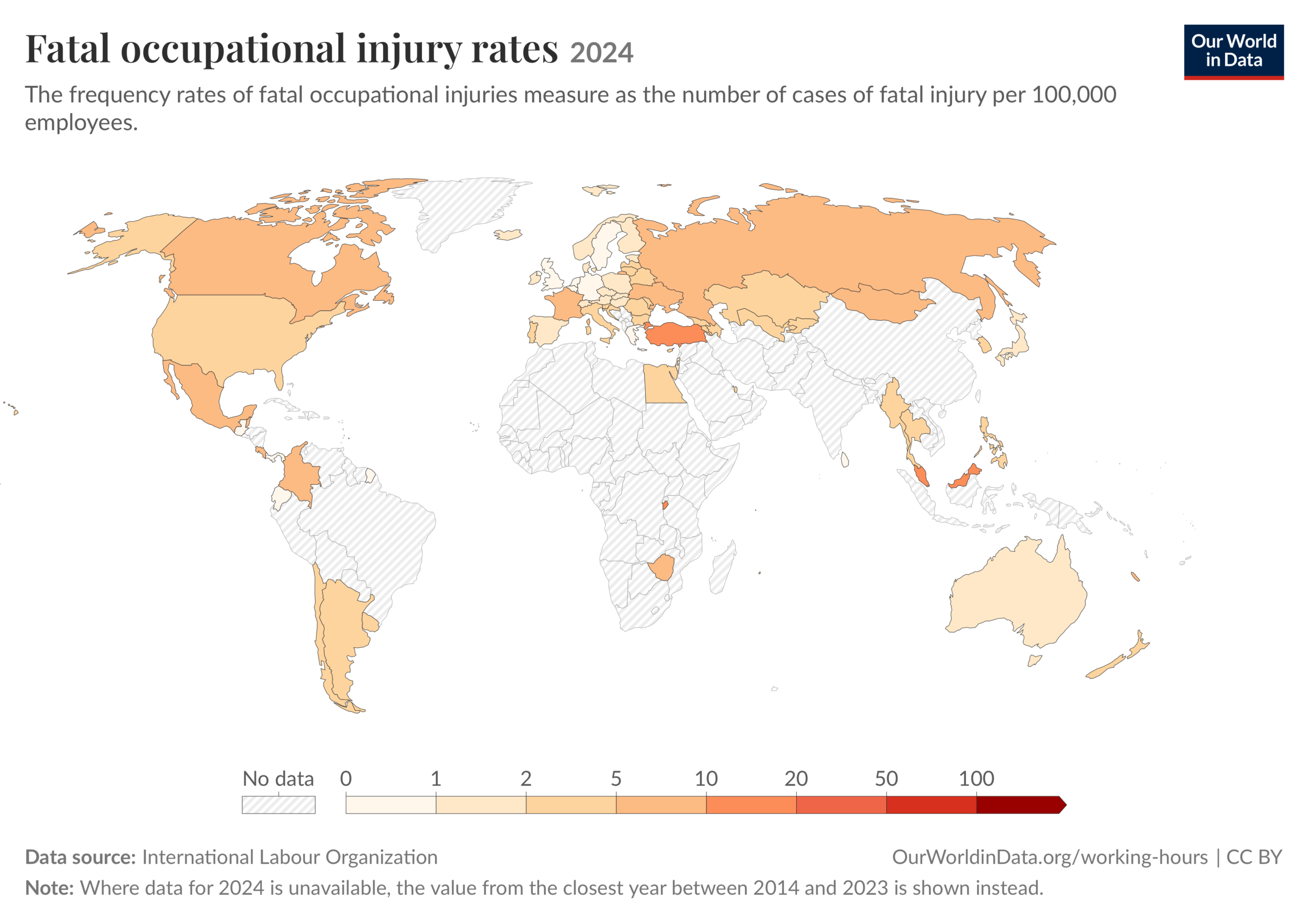
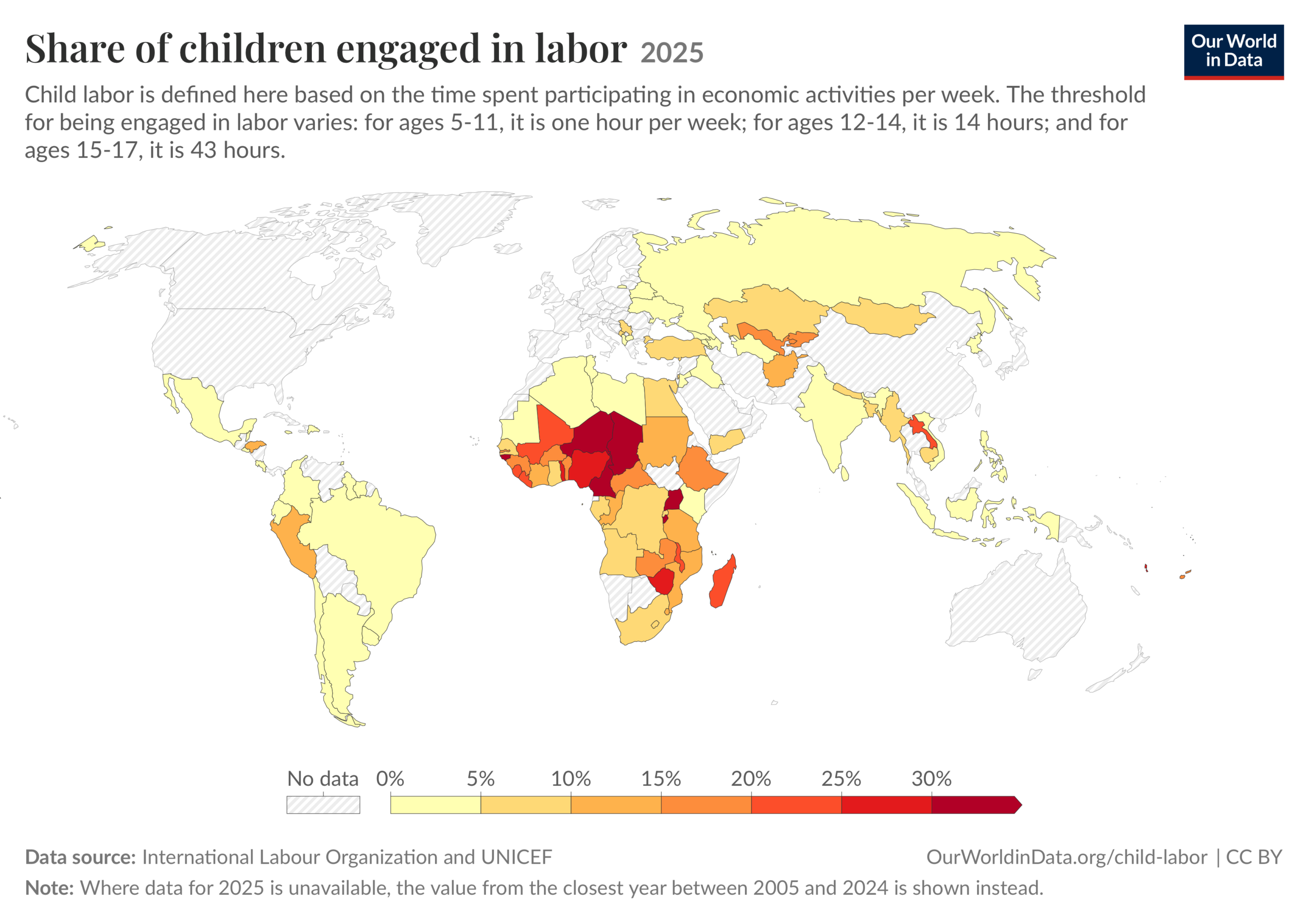
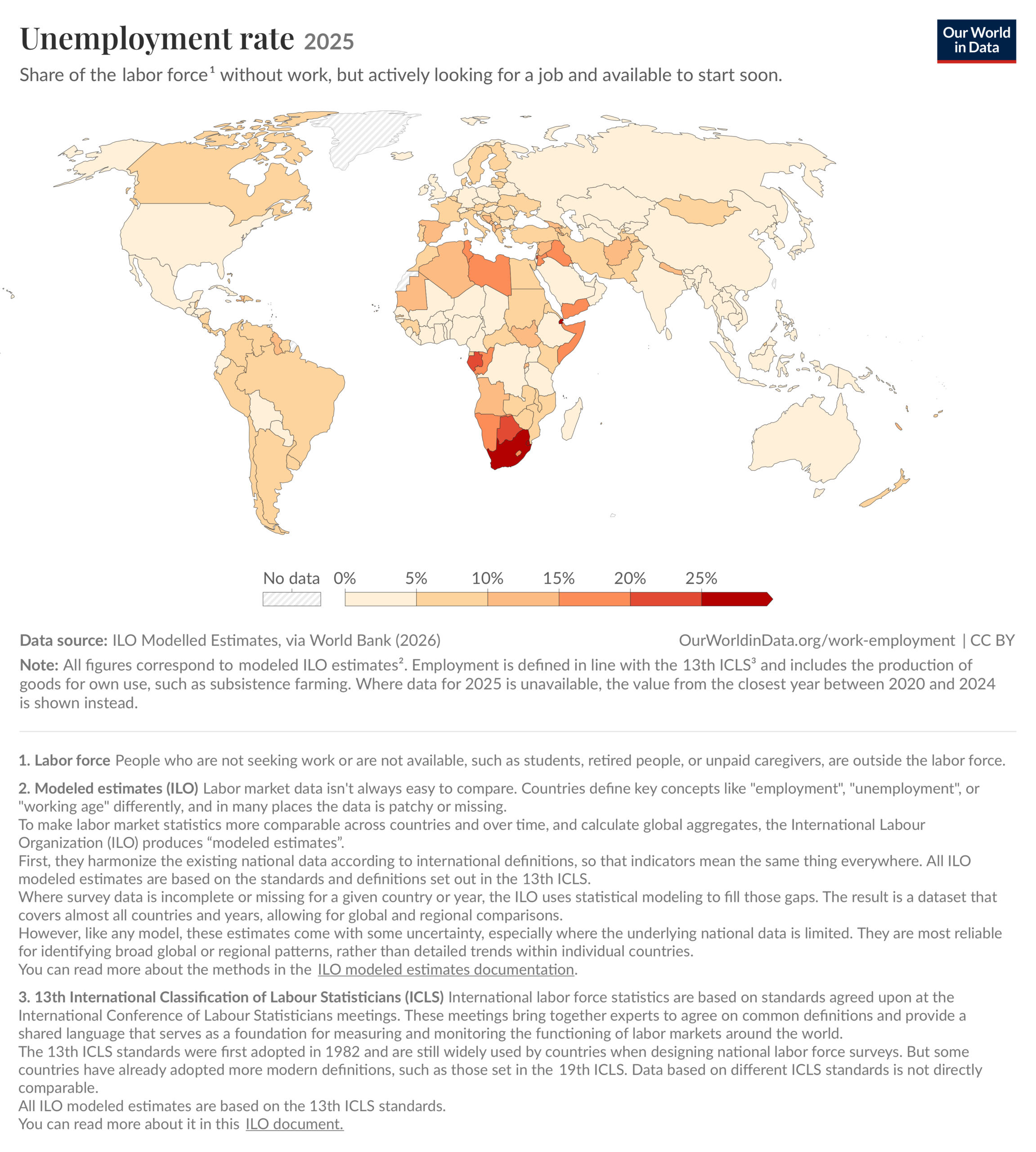
Accidents at work, physical strain and contact with hazardous substances can put health at risk. Stress, long working hours and insecure jobs can also have negative effects. These risks are especially high when people do not have adequate workplace safety measures or social protection.

From a global health perspective, having a job is not enough. The quality of work matters: decent work protects health, offers security and enables people to participate fully in society.


How do globalization and international supply chains affect our health?

Medicines, vaccines, medical devices, and the materials needed to produce them are part of global production and supply chains. This international cooperation supports specialisation, innovation and exchange, but it can also create dependencies. The COVID-19 pandemic and geopolitical crises have shown how quickly disrupted production, export restrictions or transport problems can limit access to essential medical supplies.

Another important question is: under what conditions are these products made?

Global health therefore looks not only at whether medical products are available, but also at working conditions, production standards and the fair distribution of essential health goods.


How do economic interests influence our health?

Markets influence which products are developed, promoted, and consumed. Economic interests can support health – but they can also work against it.

This is particularly evident in the case of tobacco, alcohol, and highly processed foods. Production, pricing, and marketing influence consumption patterns and, in turn, the risk of noncommunicable diseases. Similar conflicts of interest arise in relation to environmental pollution, resource consumption, and harmful working conditions.

Health therefore also becomes a question of economic regulation: Where does individual responsibility end – and where does the responsibility of businesses and policymakers begin?

Who benefits from medical and technological progress?

New medicines, vaccines, medical technologies, digitalization, biotechnology, and artificial intelligence offer significant opportunities for prevention, diagnosis, and treatment. Yet innovation only improves health when it reaches the people who need it.

Prices, patents, production capacities, infrastructure, and political decisions all influence which medical advances are available – and to whom.

Global disparities in access to medicines, vaccines, and digital health services therefore highlight a central challenge: How can we promote innovation while ensuring that its benefits are accessible as equitably as possible?

Can we shape a sustainable future for both the economy and health?

The questions explored above lead to a fundamental choice: What kind of economic development do we want to promote?

Investments in health, education, social protection, and decent working conditions do more than improve quality of life. They can also strengthen social stability and sustainable economic development. Conversely, illness, precarious employment, and health inequalities impose significant social and economic costs.

These connections are also reflected in the Sustainable Development Goals (SDGs): Health, decent work, poverty reduction, education, social justice, and environmental sustainability cannot be considered in isolation from one another in the long term. The IGGB aims to highlight how economic decisions and working conditions affect health, and what opportunities exist to shape them for the better. To achieve this, we bring together perspectives from science, politics, business, and civil society.

Economic progress and health are not mutually exclusive. The key question is how we can shape economic development so that as many people as possible benefit from it.

IGGB Recommends

Integrate health considerations into economic decision-making.

Promote decent and safe working conditions worldwide.

Strengthen social protection.

Ensure equitable access to innovation.

Make global supply chains healthier and more sustainable.


Economy and Work