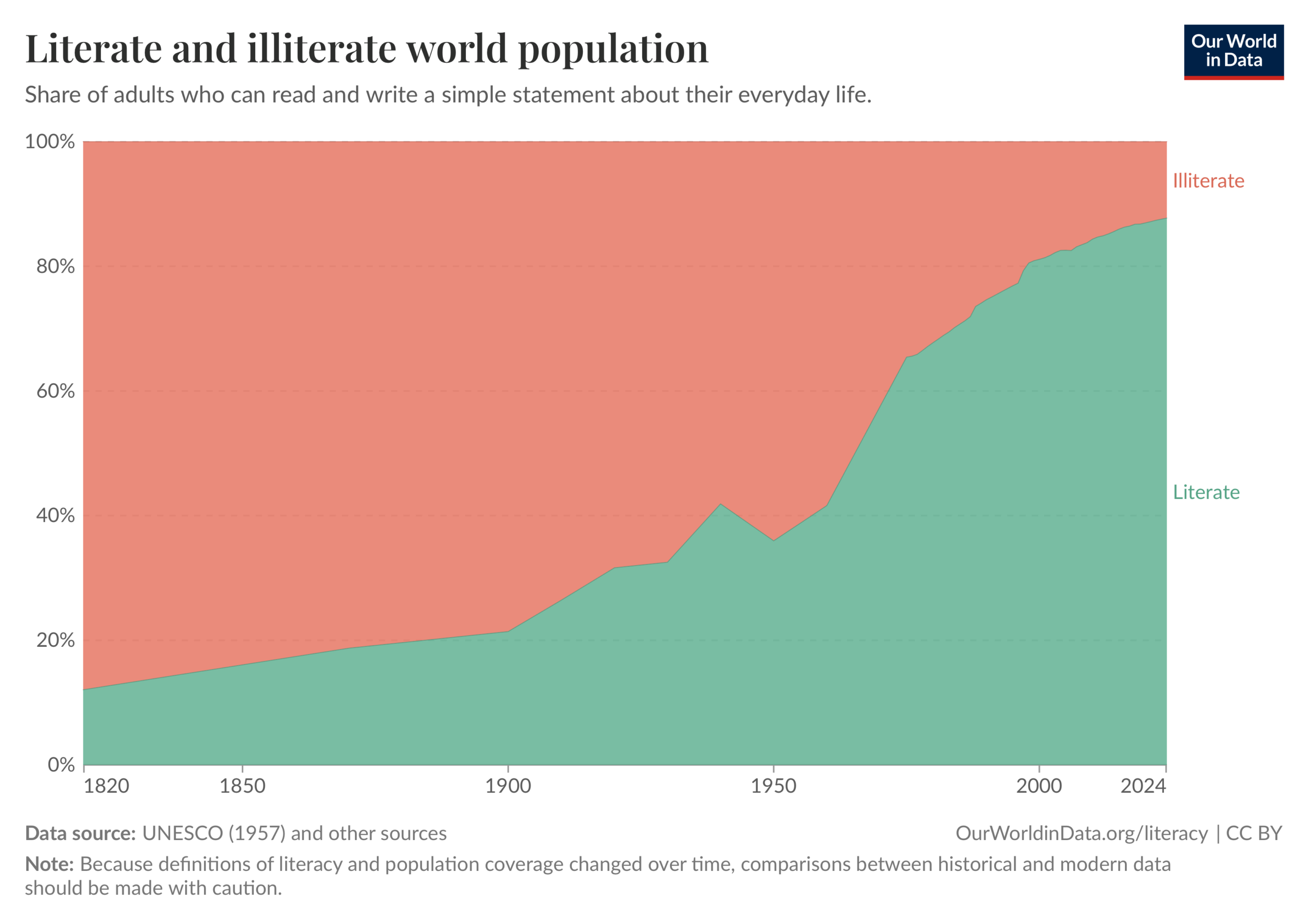

Knowledge shapes health. Education helps people understand information, make informed decisions, and take control of their own lives. Yet in an age of information overload, it is becoming increasingly difficult to identify, understand, and effectively use reliable health information.

Health literacy is therefore an essential foundation for disease prevention, health promotion, and informed, independent decision-making. However, it depends not only on individual skills and abilities. Equally important is how clearly, accessibly, and reliably health information is communicated.

Our work in the field of Education & Health Literacy is guided by six key questions.

How does education influence our health?

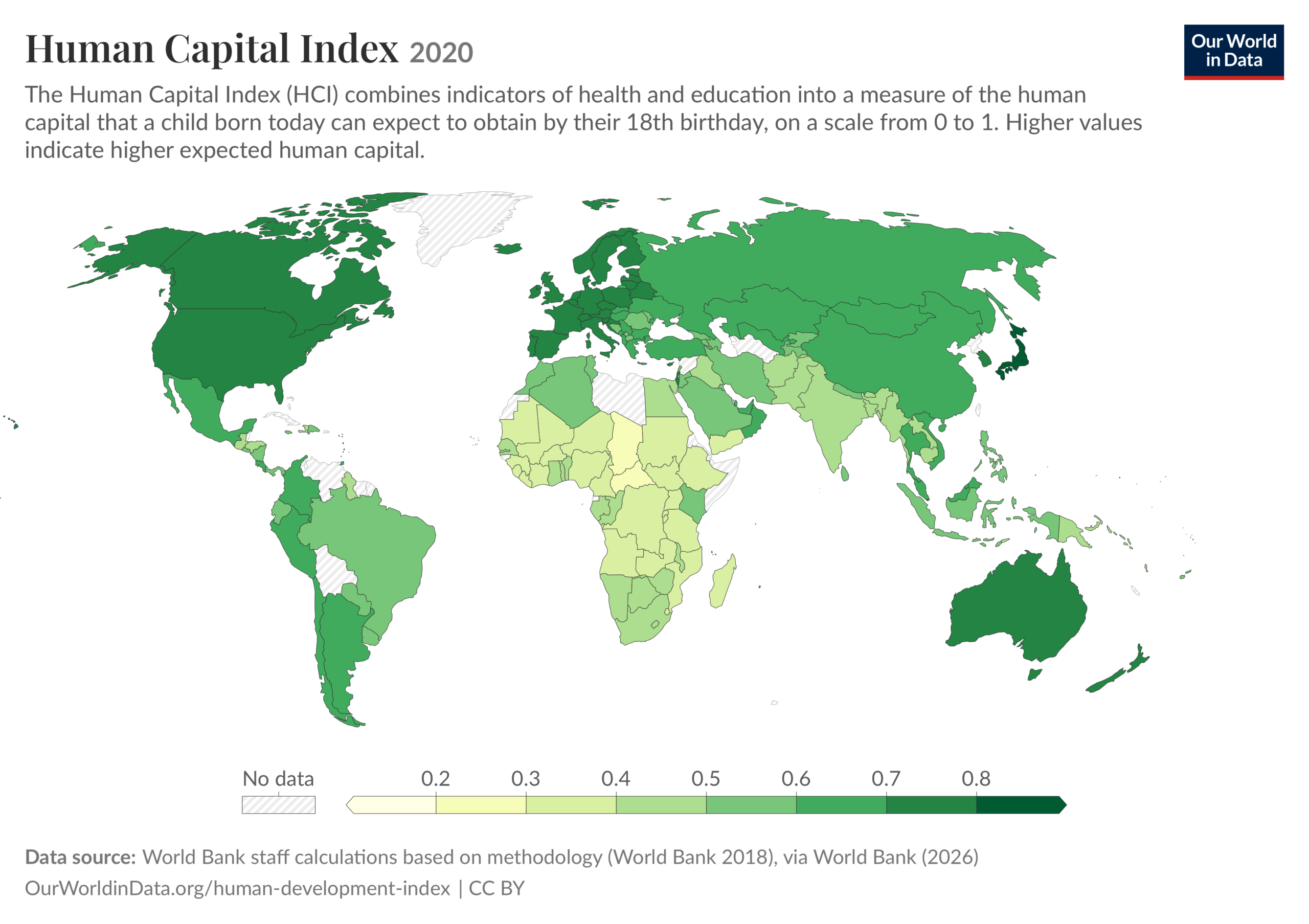
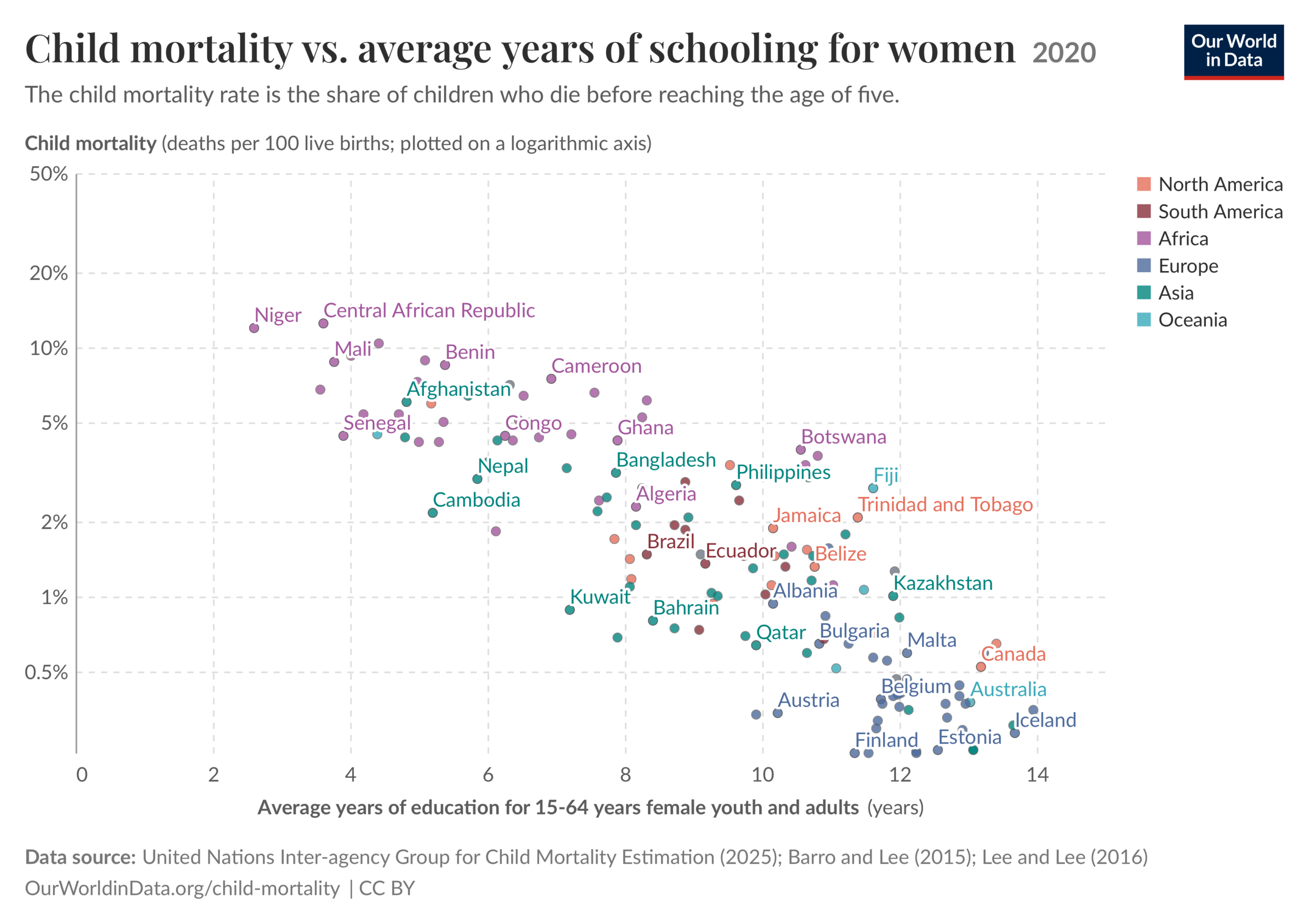
Education helps people assess health risks, critically evaluate information, and make decisions that promote their health. At the same time, it influences income, working conditions, social security, and social participation – all of which are important determinants of health.

These connections begin early in life and can have effects across generations. Unequal educational opportunities can therefore also lead to unequal opportunities for good health.

Education does more than provide knowledge. It lays the foundation for health, self-determination, and meaningful participation in society.

What do people need to make informed health decisions?

Health literacy means being able to find, understand, evaluate, and apply health-related information. This is just as important in everyday life as it is when making decisions about prevention, diagnosis, or treatment.

Yet health decisions are becoming increasingly complex. People need to weigh risks, compare different sources, and make sense of recommendations that may sometimes be contradictory.

The goal is therefore not to acquire as much medical knowledge as possible. What matters is being able to use information to make informed decisions that reflect one’s own circumstances and needs.

How can health information be made clear and accessible?

Even high-quality information is only useful if it reaches the people who need it. Technical jargon, language barriers, a lack of accessibility, or services that are difficult to access can prevent this.Health literacy is therefore not solely an individual responsibility. Public authorities, healthcare systems, researchers, educational institutions, and the media also have a responsibility to communicate information clearly and transparently.

The key is to reduce complexity without misrepresenting scientific evidence or uncertainties. Because access to information alone is not enough – its quality matters just as much.

How can we identify reliable health information?

Never before has health information been so readily available. At the same time, misleading information, oversimplified health claims, and disinformation are spreading at an unprecedented pace. This makes critical evaluation increasingly important: Who is the source? What evidence supports the information? How up to date is it? Are uncertainties and potential conflicts of interest communicated transparently?

Scientific literacy and media literacy are therefore essential components of health literacy. At the same time, researchers, the media, and healthcare institutions have a responsibility to build trust through transparent, clear, and evidence-based communication.

What opportunities and risks does digitalization present for health literacy?

Health information portals, apps, telemedicine, electronic health records, and artificial intelligence are transforming access to health information and healthcare services. They can make information available more quickly and in a more personalized way. However, not everyone has equal access to digital technologies or the same level of digital skills. Additional challenges include information quality, data privacy, and the influence of algorithms.

Digital health literacy therefore means more than simply knowing how to use technology. People need to be able to understand, evaluate, and safely use digital health services and information. Only then can digitalization improve opportunities for good health rather than reinforce existing inequalities.

How can we strengthen health literacy in a sustainable way?

Health literacy develops throughout life – within families and schools, in the workplace, through the media, and within the healthcare system. Efforts to strengthen it should therefore begin early and reach people at different stages of life and in diverse circumstances.

However, it is not only individuals who need to become more health literate. Institutions must become more health literate as well. Information and services should be designed so that they are as easy as possible to find, understand, and use. Strengthening health literacy is therefore a shared responsibility across education, healthcare, academia, policymaking, and society.

IGGB aims to make scientific knowledge about global health clear and accessible, bring together diverse perspectives, and help people navigate complex health issues. Because access to information alone does not create health literacy. What matters is the ability to understand knowledge, critically evaluate it, and use it to make informed, independent decisions.

IGGB Recommends

Promote health literacy from an early age and throughout life.

Make health information clear and accessible.

Strengthen scientific and media literacy.

Clearly identify reliable health information.

Design inclusive digital health services.

Education and Health Literacy