

Our health depends on the environment in which we live – and on how our food is produced, distributed, and consumed. Clean air, safe water, fertile soils, biodiversity, and a stable climate are just as essential to good health as access to safe and balanced nutrition.

Yet these foundations are coming under increasing pressure. Climate change, environmental degradation, and biodiversity loss are transforming living conditions and food systems around the world. At the same time, agriculture and food systems themselves have a significant impact on the climate, natural resources, and ecosystems. Environment, nutrition, and health are therefore inseparably linked.

Our work in the field of Environment & Nutrition is guided by six key questions.

How does our environment affect our health?

Air quality, drinking water, living conditions, temperatures, pollutants, and natural ecosystems all play a crucial role in determining people’s health.

Air pollution, for example, increases the risk of respiratory and cardiovascular diseases. Contaminated water, soil, and food can also have serious health consequences. Healthy ecosystems, on the other hand, provide clean water, regulate the climate, and support fertile soils and food production.

Protecting the environment therefore also means protecting human health. Yet climate change is transforming these essential foundations of life at an accelerating pace.

How is climate change affecting our health and nutrition?

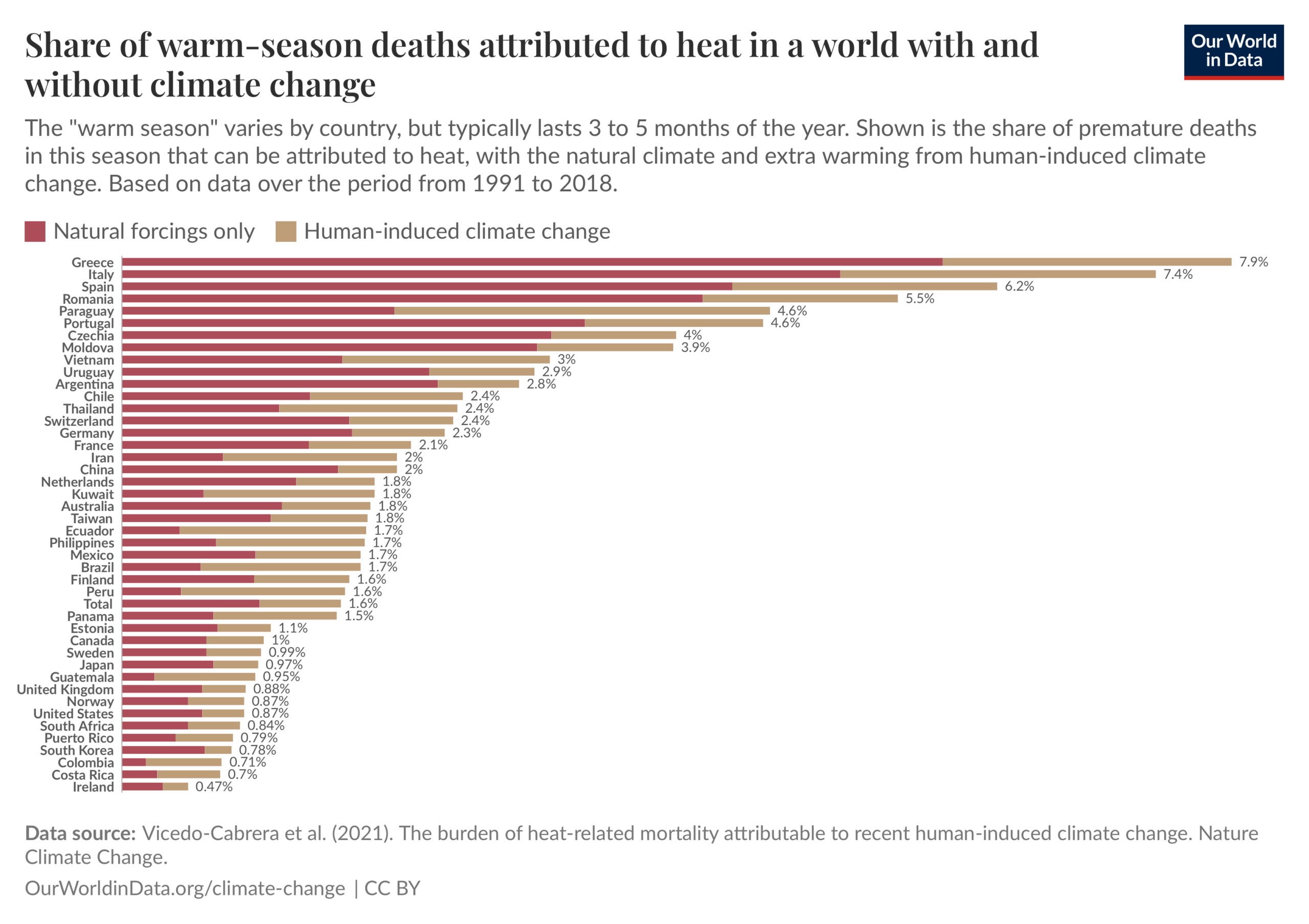
Heatwaves, droughts, floods, wildfires, and storms can directly cause illness, injury, and death. At the same time, rising temperatures are changing the distribution of disease-carrying vectors such as mosquitoes and ticks.

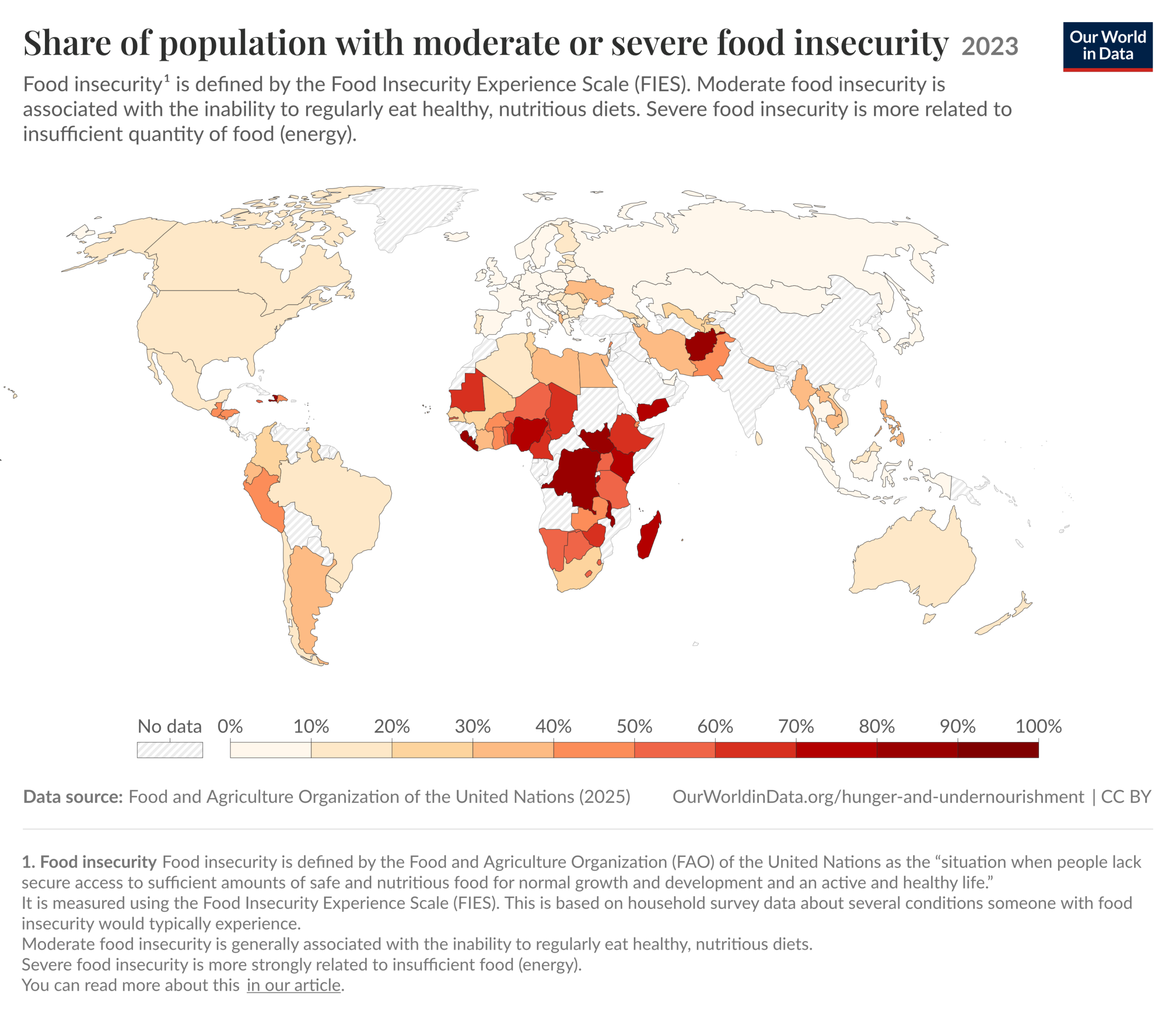
Our food systems are also affected. Heat, water scarcity, and extreme weather events can damage crops, drive up food prices, and worsen food insecurity.

However, these impacts do not affect everyone equally. People with limited financial or social resources are often less able to protect themselves and adapt to changing conditions.The climate crisis is therefore also a matter of health and equity.

How can we ensure healthy nutrition for everyone?

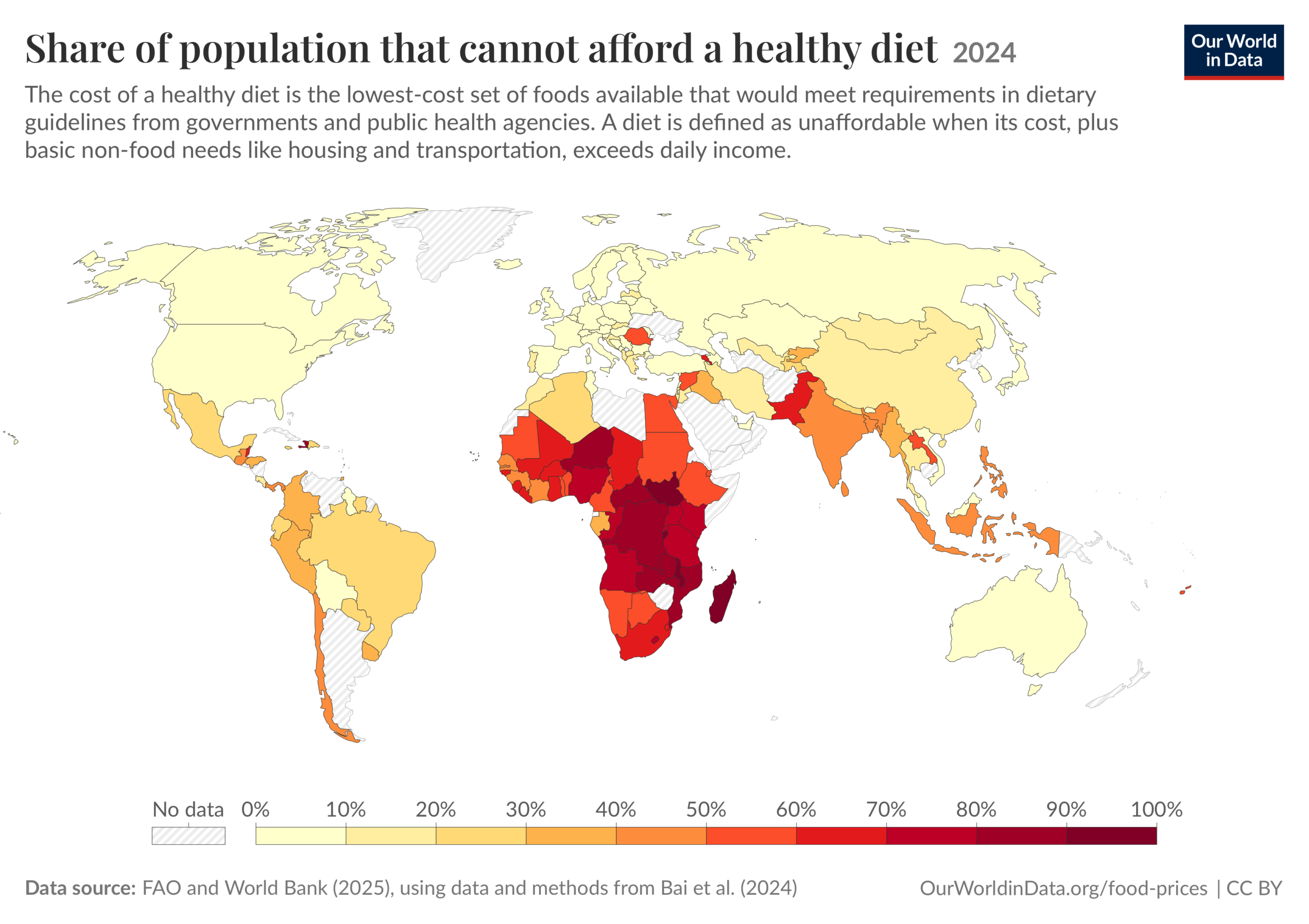
Having enough food does not necessarily mean being able to eat a healthy diet. Around the world, undernutrition and micronutrient deficiencies coexist with overweight and diet-related diseases. What people eat is not simply a matter of personal choice. Income, food prices, availability, education, cultural habits, and policy frameworks all shape everyday dietary choices.

Global health therefore asks not only: What constitutes a healthy diet? Equally important is the question: Who can actually afford a healthy diet and maintain it in everyday life?

Ensuring healthy nutrition for everyone requires food systems that address health, affordability, and availability together.

How are the health of humans, animals, and ecosystems interconnected?

Our food systems demonstrate particularly clearly how closely humans, animals, and the environment are interconnected. Agriculture, livestock farming, land use, and changes in biodiversity can have direct impacts on human health.

The One Health approach therefore considers human, animal, and environmental health together, particularly in relation to infectious diseases, antimicrobial resistance, and food safety.

Planetary Health broadens this perspective to include the natural systems on which long-term human health depends: the climate, ecosystems, biodiversity, water, and soils.

Both approaches lead to the same conclusion: Human health cannot be sustained in the long term at the expense of the natural systems that support life.

How can food systems promote both human health and environmental sustainability?

From agriculture and food processing to trade, transportation, consumption, and waste disposal, our food systems influence both human health and the environment. This creates trade-offs – but also significant opportunities.

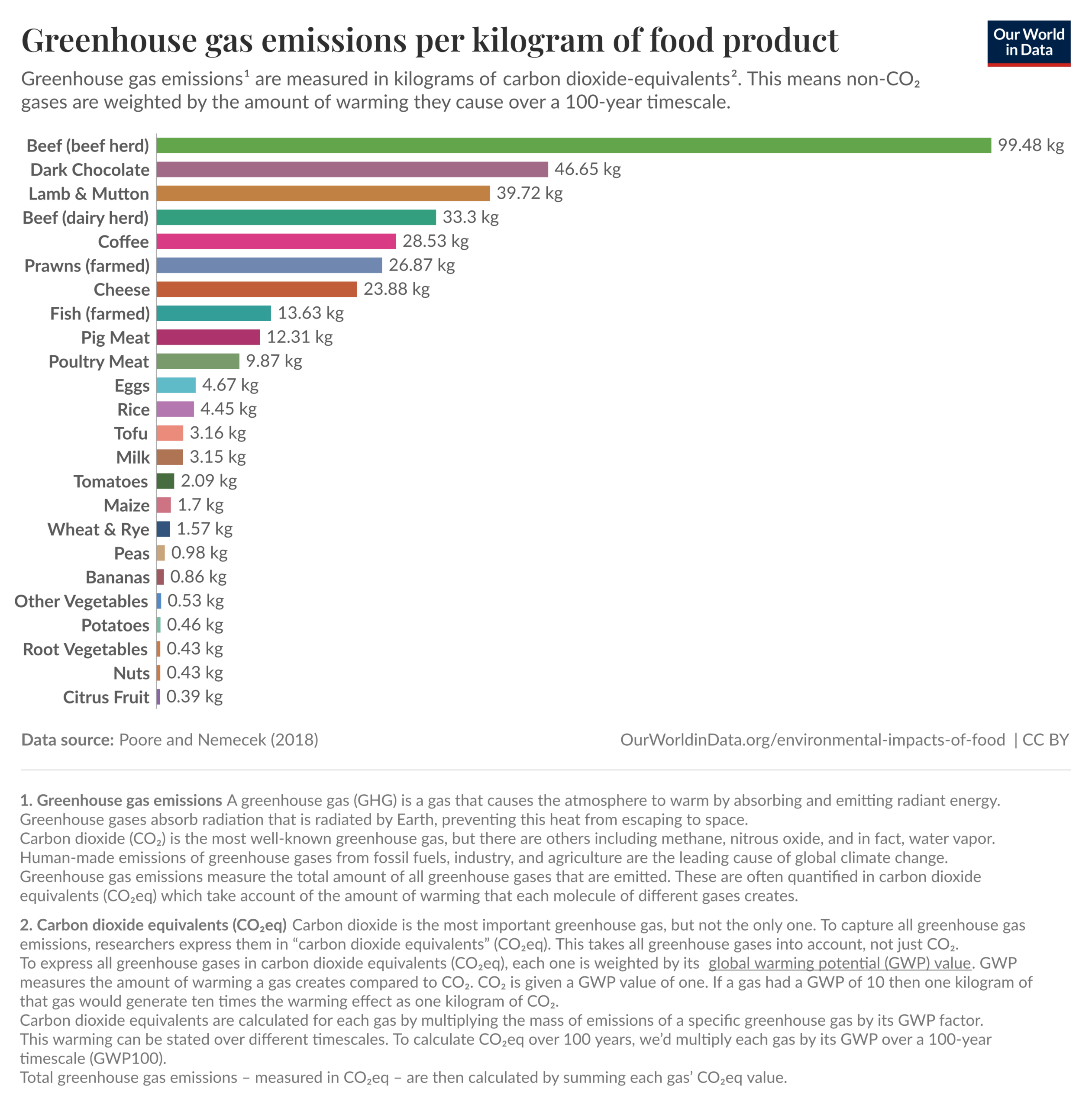
A greater proportion of plant-based foods, for example, can combine health benefits with a lower environmental impact, depending on the regional context. More sustainable production methods can protect natural resources and biodiversity while also strengthening food security.

The key question is therefore not only how we produce food, but what kind of food system can bring together health, sustainability, food security, and social equity.

How can we ensure healthy living conditions for future generations?

The decisions we make today will shape the health opportunities of tomorrow. Climate change, resource consumption, urbanization, and food systems will have a lasting impact on the conditions in which people live. To address these challenges, we need climate-resilient healthcare systems and cities, secure water and food supplies, sustainable agriculture, and the protection of natural ecosystems.

Many solutions offer multiple benefits. Active mobility promotes physical activity and improves air quality. Sustainable diets can help prevent disease while reducing environmental impacts. Climate-adapted cities protect people from extreme heat and improve quality of life.

IGGB aims to highlight the connections between the environment, nutrition, and health, make scientific evidence accessible and understandable, and bring together approaches to sustainable solutions.

Because how healthy we can live tomorrow also depends on how we protect and manage the natural systems that sustain life today.

IGGB Recommends 

Integrate environmental protection and public health.

Ensure access to healthy nutrition for everyone.

Create climate-resilient living environments.

Promote sustainable food systems.

Protect ecosystems and biodiversity.


Environment and Nutrition