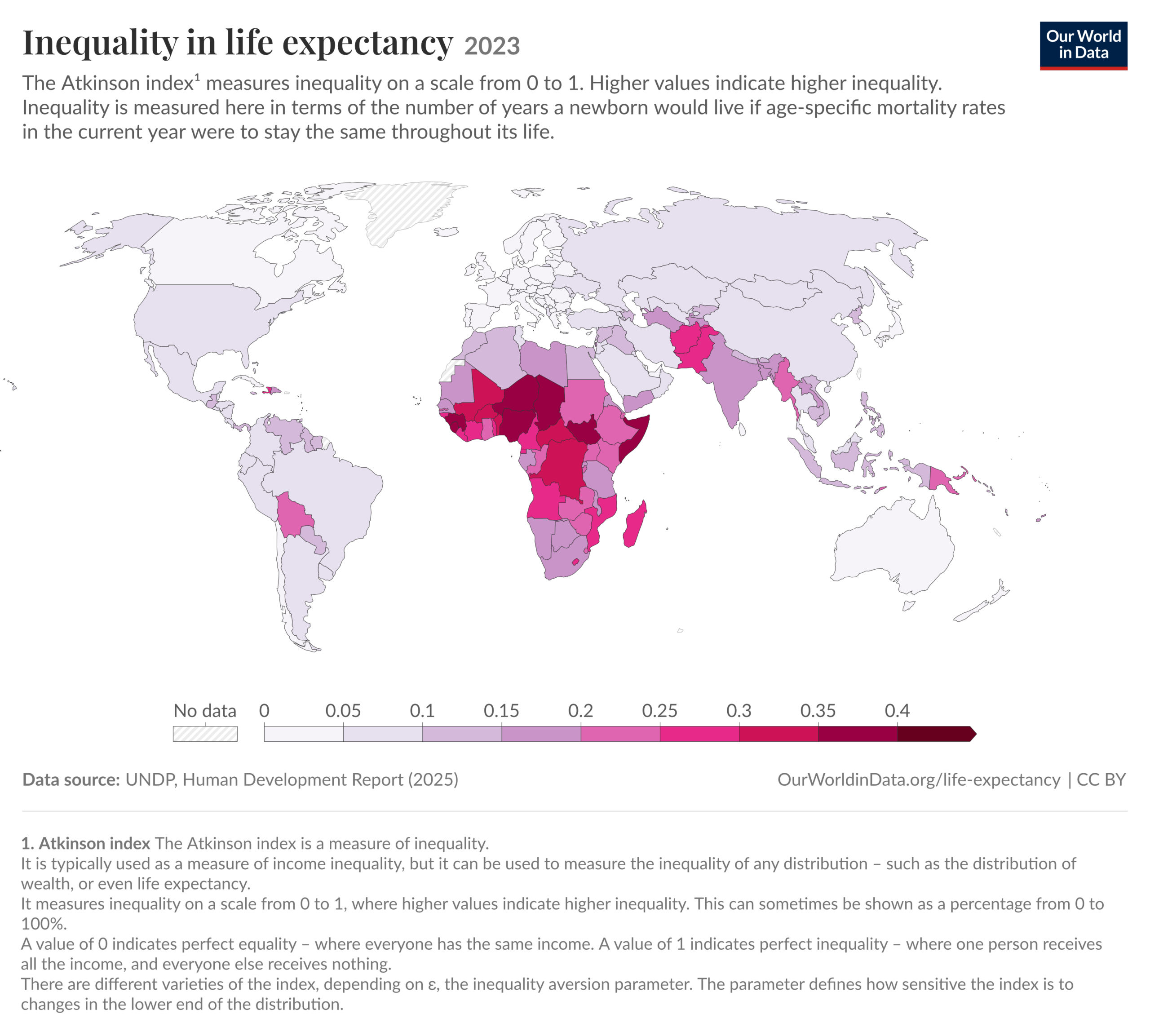
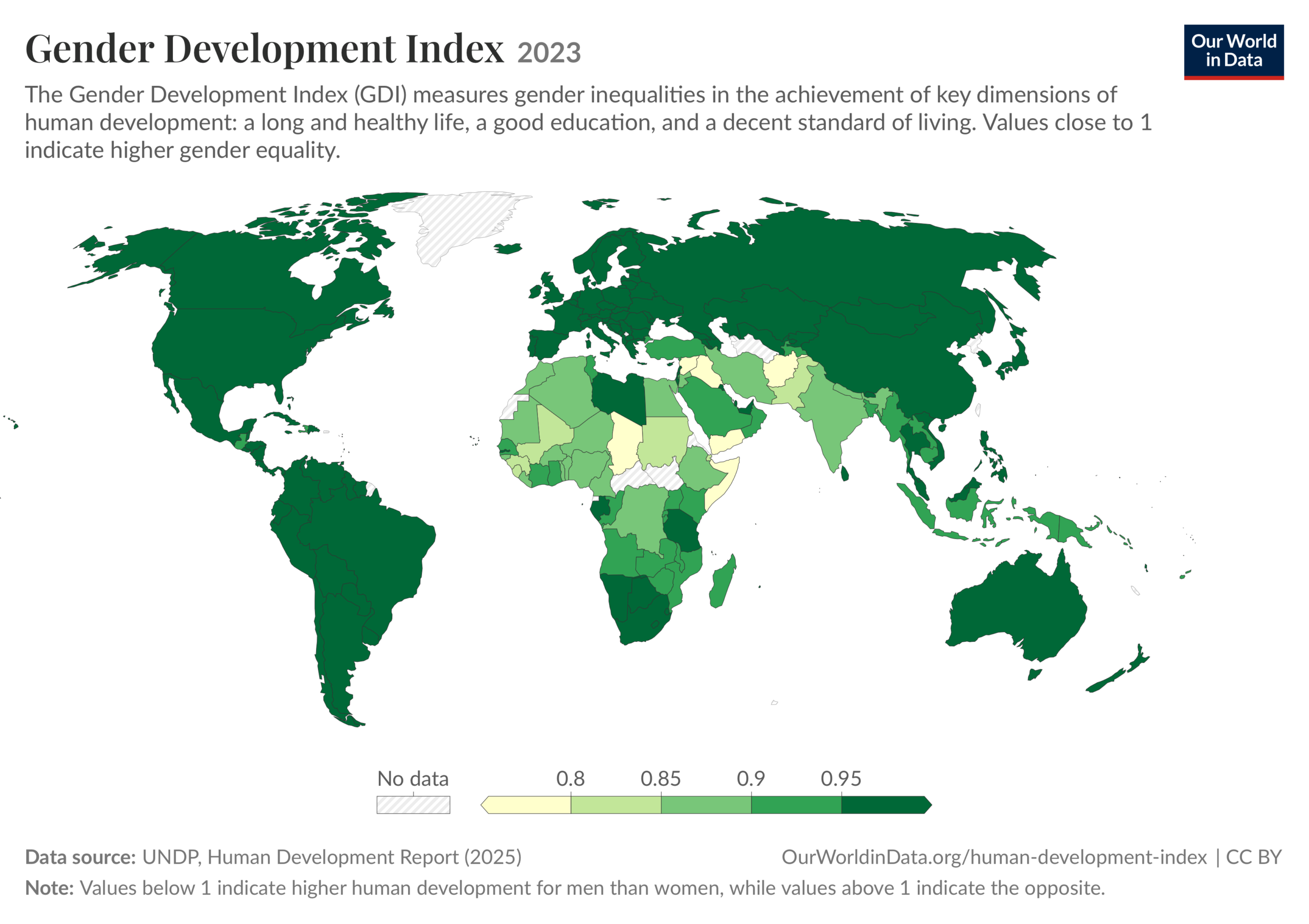
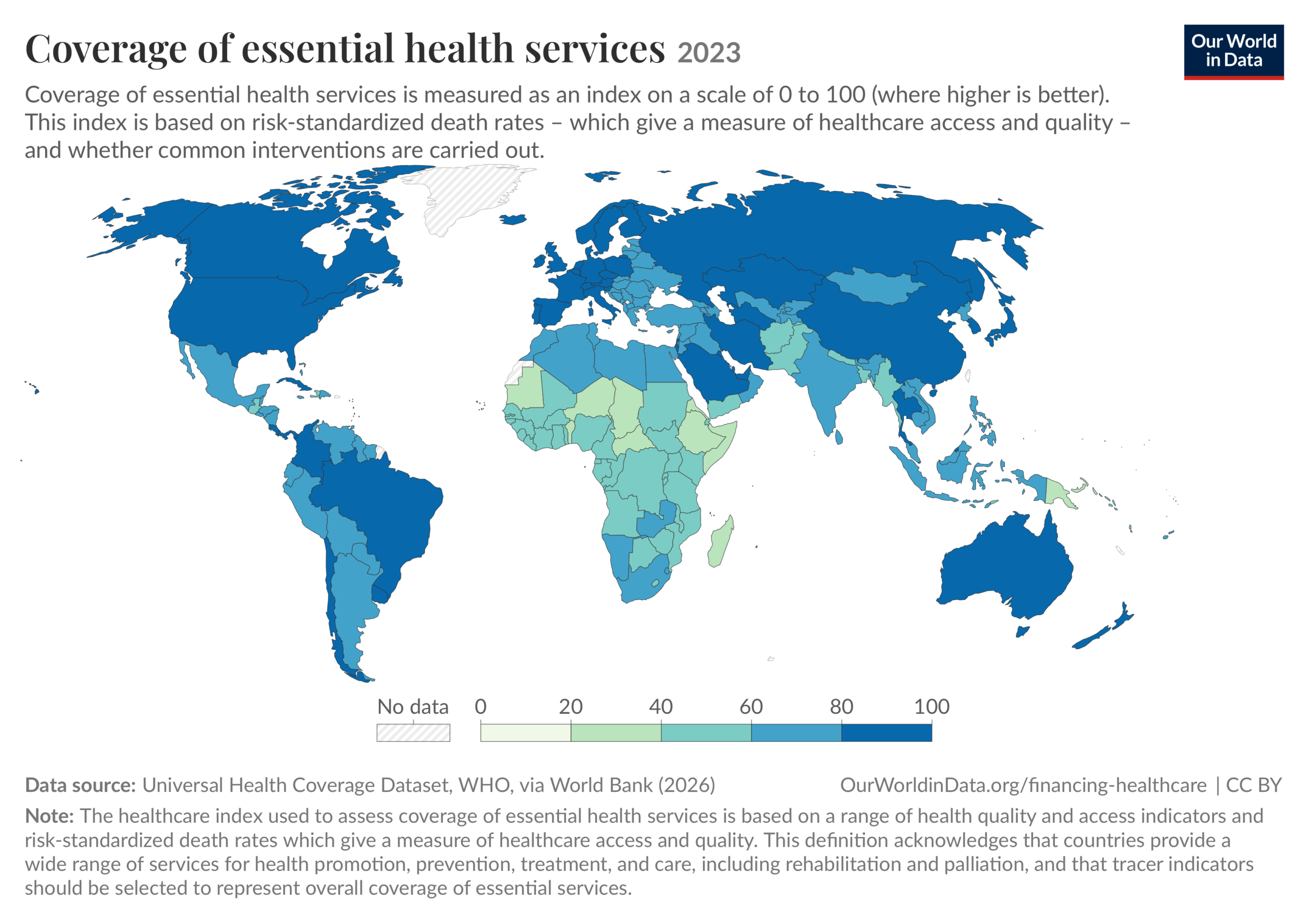
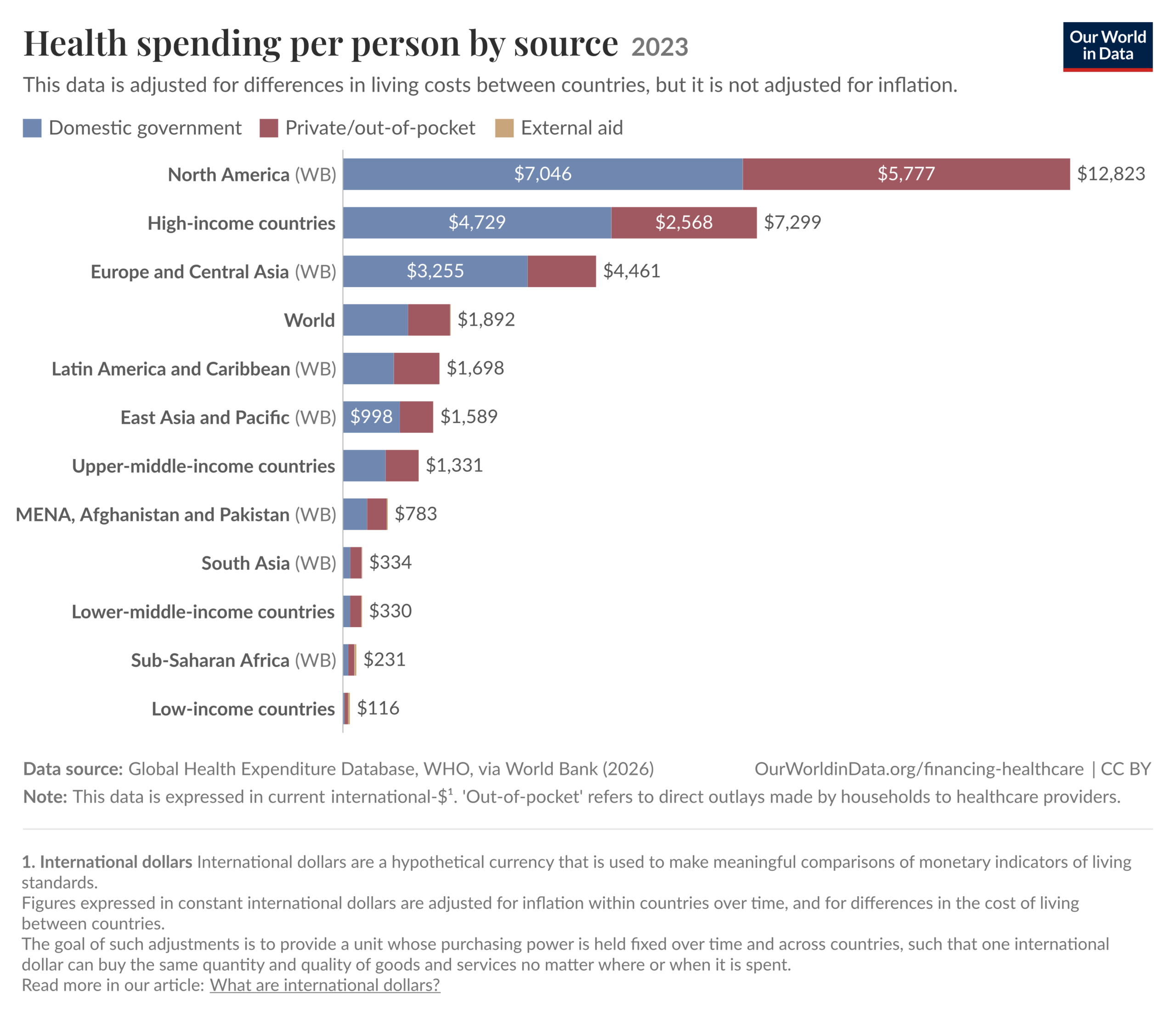
Health is unequally distributed around the world. Despite significant progress, opportunities for good health continue to vary considerably between countries, regions, and social groups. Income, education, gender, background, place of residence, and social security, as well as access to healthcare, all influence people’s ability to live healthy lives. Global health therefore asks not only who becomes ill and how diseases are treated, but also: Why do people have such unequal opportunities for good health – and how can we change this?

Addressing these questions means reducing avoidable health inequalities, while also promoting individual agency, social participation, and opportunities for people to have a voice in decisions that shape health policy.

Our work in the field of Equity & Participation is guided by six key questions.
Why are opportunities for good health so unequally distributed?

Health inequalities do not arise by chance. The conditions in which people are born, grow up, learn, work, live, and age have a profound impact on their health. Education, income, employment, social security, nutrition, housing, and environmental conditions are among these social determinants of health.

People with fewer resources are often exposed to greater health risks while having fewer opportunities to protect themselves against them. Social inequality can therefore translate into health inequality. This becomes particularly evident when it comes to access to healthcare.

Who has access to quality healthcare and who does not?

Access to healthcare varies greatly around the world. In many places, infrastructure, healthcare professionals, medicines, or reliable financing are lacking. Yet even where healthcare services are available, people may still face exclusion. Income, place of residence, language, gender, disability, residency status, or discrimination can determine whether prevention, diagnosis, and treatment are truly accessible.

Health equity therefore does not mean simply offering everyone the same services. It means recognizing barriers and different starting conditions so that everyone has a fair opportunity to achieve the best possible health. But to make this possible, we first need to understand who is still not being adequately reached.

Which people and perspectives are being overlooked?

Population averages can conceal significant differences within societies. Age, gender, income, background, disability, and geographic location can be associated with very different health experiences. At the same time, disadvantaged or marginalized groups are often less visible in research, policymaking, and public debate. As a result, their needs may be overlooked.

Global health therefore requires both disaggregated data and diverse perspectives. It is not enough to speak about people – we also need to listen to them.


How can we identify reliable health information?

Health equity means more than access to healthcare. People should have a say in decisions that affect their health and living conditions. Participation can take many forms, from local health initiatives and patient advocacy to the involvement of civil society organizations in research and policymaking. Yet participation alone does not guarantee influence.

Meaningful participation only emerges when people’s experiences are taken seriously, diverse perspectives are included, and power imbalances are addressed. The key question is therefore: Who has a seat at the table – and who actually has a say in the decisions?

Why do global crises affect some people more than others?

Pandemics, climate change, conflicts, natural disasters, and economic crises interact with existing inequalities. People living in insecure housing or working conditions, with limited financial resources or poor access to healthcare, are often less able to protect themselves. The COVID-19 pandemic demonstrated this, as have the impacts of climate change: health risks and the means to protect against them are unevenly distributed.

Crises therefore do not only create new health challenges. They can expose existing inequalities and deepen them further.

The key question is how we can build structures that are equitable and resilient before a crisis occurs.

How can we make health more equitable?

Health equity cannot be achieved through the healthcare system alone. It begins with education, income, social protection, employment, and housing, and extends to environmental, climate, and economic policy. At the same time, barriers to healthcare must be reduced, prevention strengthened, and people more actively involved in developing solutions.

IGGB aims to make health inequalities and their underlying causes more visible, connect scientific evidence with societal perspectives, and identify pathways towards greater health equity.

Because health enables participation – and meaningful participation creates better conditions for health.

IGGB Recommends

Make health inequalities visible.
Remove barriers to healthcare.
Empower disadvantaged groups.
Enable meaningful participation in decision-making.
Integrate health considerations across all policy areas.


Equity and Participation