
Which social conditions shape our health?

Whether people can live healthy lives depends to a large extent on the conditions in which they are born, grow up, learn, work, live, and age.

Income, education, social security, gender, social participation, and discrimination can all influence the risk of illness and life expectancy. These social determinants of health vary both between countries and within societies.

Health inequalities are therefore often a reflection of broader social and political structures. Improving health also means asking: Which conditions create unequal opportunities for good health – and who has the power to change them?


Who shapes global health and who makes the decisions?

Global health is shaped by many different actors: governments and international organizations, as well as academia, civil society, foundations, non-governmental organizations, and businesses.

They have different interests, resources, and levels of influence. This brings governance to the forefront: Who sets the priorities? Who holds power and controls resources? Who is responsible – and whose voices are heard?

Effective global health governance requires transparent decision-making, clear accountability, and meaningful participation. At the same time, global challenges make one thing increasingly clear: decisions made at the national level alone are often no longer sufficient.

How can international cooperation protect health?

Pandemics, antimicrobial resistance, climate change, environmental threats, supply chain disruptions, and humanitarian crises do not stop at national borders.

No country can address these challenges effectively on its own in the long term. Governments, international organizations, academia, and civil society need to share knowledge, develop common rules and standards, and act across borders.

This is where health diplomacy is becoming increasingly important. It connects health with foreign, development, economic, and security policy, creating opportunities for negotiation and cooperation.

Global health requires cooperation – and cooperation requires trust.


What builds trust in health policy and institutions?

Policy measures can only be effective in the long term if institutions are capable of acting and enjoy public trust. Especially in times of crisis, transparent decision-making, clear communication, and evidence-based policy advice are essential.

The COVID-19 pandemic demonstrated that public acceptance does not depend solely on the medical effectiveness of a measure. People need to be able to understand the reasoning behind decisions, uncertainties should be communicated openly, and different perspectives need to be taken into account.

Trust is not built only in times of crisis. It grows through transparency, participation, and reliable institutions – making it a vital foundation for societal resilience.

How must health policy respond to future global challenges?

Climate change, demographic shifts, migration, digitalization, emerging technologies, and geopolitical tensions are transforming health risks and the options available to policymakers.

Future-ready health policy must therefore be forward-looking and work across sectors. Health promotion, social equity, environmental sustainability, economic development, and international cooperation need to be more closely interconnected.

IGGB aims to analyze these interconnections from a scientific perspective, bring together diverse viewpoints, and make relevant insights accessible and understandable to policymakers and society.

Global health policy must do more than respond to crises. It must create the political and societal conditions today that will enable health to be protected sustainably, equitably, and collectively tomorrow.

IGGB Recommends

Integrate health considerations across all policy areas.
Make decisions transparently and based on evidence.
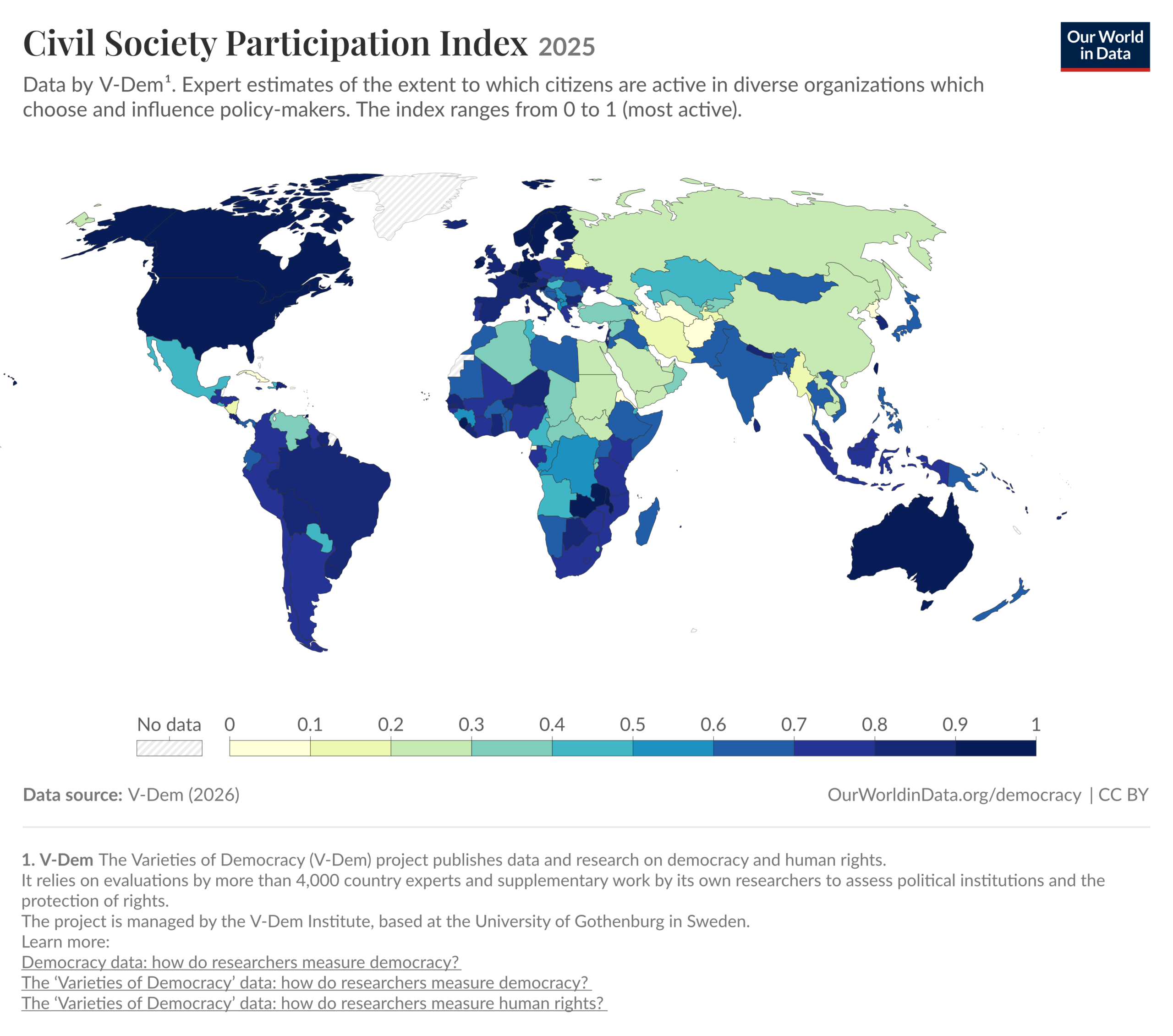
Strengthen participation and social inclusion.
Build stronger, binding frameworks for international cooperation.
Make health policy forward-looking and resilient to crises.

Politics and Governance